
Guardianship in Colorado is a court-supervised legal arrangement designed to protect individuals who are unable to make safe or informed decisions on their own. These individuals may include minors, adults with disabilities, elderly persons experiencing cognitive decline, or anyone temporarily incapacitated due to illness or injury. Because guardianship involves taking over fundamental rights—such as decisions about healthcare, finances, and living arrangements—it is one of the most significant responsibilities recognized under Colorado law.
This guide explains what guardianship means, the different types available in Colorado, how the legal process works, and what responsibilities a guardian must uphold. It also explores alternatives to guardianship and answers common questions for families considering this legal option.
Guardianship in Colorado is a legal process in which a court appoints a person (the “guardian”) to make decisions for another person (the “ward”) who is legally determined to be unable to manage their own affairs. The purpose is protection—not control—and courts in Colorado prioritize the least restrictive arrangement possible.
A guardian may be responsible for decisions related to:
- Personal care and living arrangements
- Medical treatment and healthcare decisions
- Education and support services (if applicable)
- Safety and general well-being
In some cases, a guardian may also be appointed alongside a conservator, who specifically manages financial matters. Colorado courts treat guardianship seriously because it can limit a person’s civil rights, so judges require clear evidence before granting it.
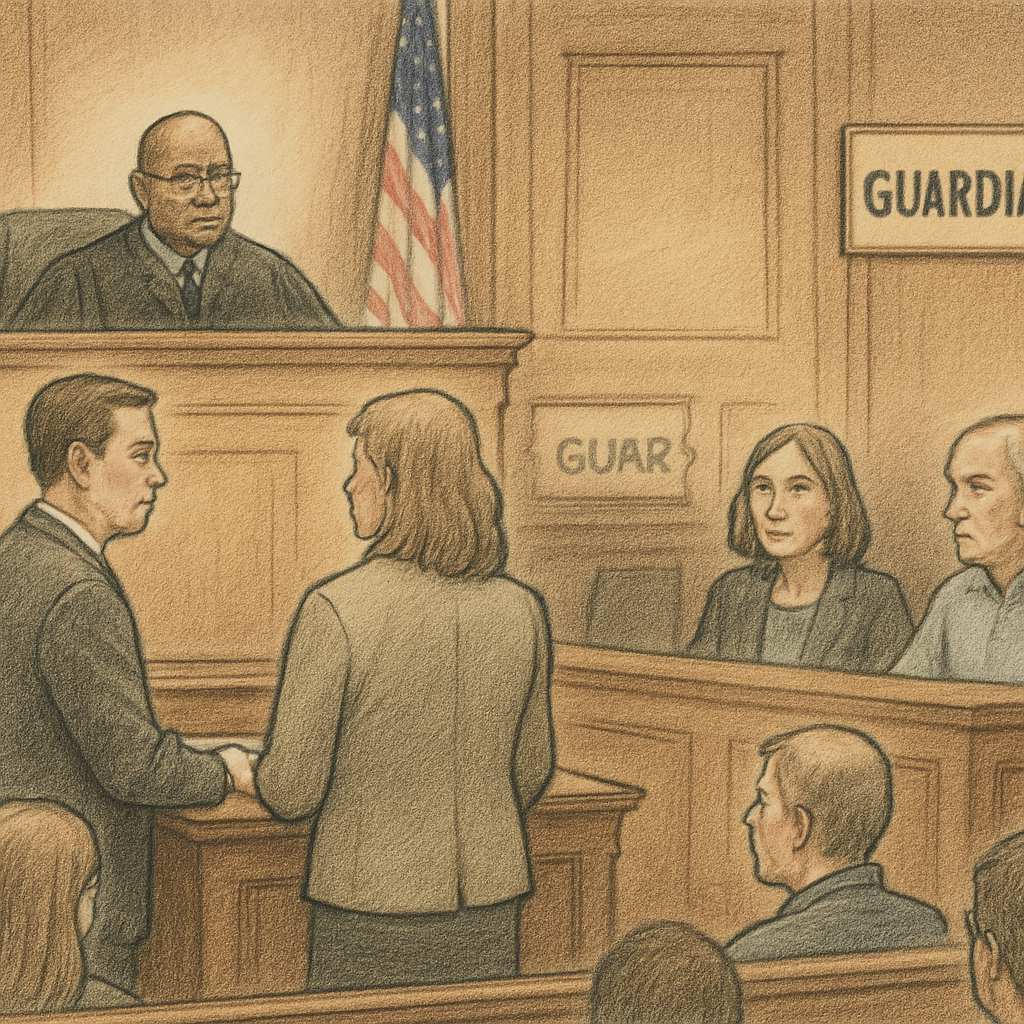
Types of Guardianship in Colorado
Colorado law recognizes several types of guardianship depending on the individual’s age, condition, and urgency of need. Each type is designed to address different situations while still protecting the rights of the person under care.
Temporary Guardianship
Temporary guardianship is used when immediate intervention is necessary. This often happens in emergencies where a child or vulnerable adult needs urgent care and no legal decision-maker is available.
Key features include:
- Short-term duration (often up to six months)
- Fast court approval, sometimes without a full hearing
- Designed for emergency or transitional situations
- Automatically expires unless extended by the court
This type of guardianship is commonly used while waiting for a permanent guardianship case to be resolved.
Adult Guardianship
Adult guardianship applies to individuals 18 years or older who cannot make safe or informed decisions due to incapacity. This may be due to intellectual or developmental disabilities, severe mental illness, dementia, brain injury, or other conditions affecting judgment.
The court must determine that:
- The adult is unable to make or communicate responsible decisions
- Less restrictive alternatives are not sufficient
- A guardian is necessary to protect the individual’s welfare
An adult guardian may manage personal care decisions such as medical treatment, housing, and support services. In many cases, a separate conservator is appointed to handle financial responsibilities.
Minor Guardianship
Minor guardianship involves a child whose parents are unable or unavailable to provide care. This may occur due to illness, incarceration, substance abuse issues, or other circumstances that prevent parental responsibility.
A minor guardian may be responsible for:
- Daily care and supervision
- School enrollment and educational decisions
- Medical care and health needs
- General welfare and safety
The court always prioritizes the child’s best interests and may prefer placement with relatives when appropriate.
Co-Guardianship
Co-guardianship allows two individuals to share legal responsibility for a ward. This arrangement is often used by siblings, spouses, or close relatives who want to jointly manage care decisions.
Benefits include:
- Shared responsibility and decision-making
- Reduced burden on one individual
- Continuity of care if one guardian becomes unavailable
However, co-guardians must be able to cooperate effectively, as disagreements can complicate care decisions and court compliance.
Successor Guardianship
A successor guardian is appointed to take over if the original guardian can no longer serve due to death, illness, relocation, or incapacity. This ensures continuity of care without requiring a new court proceeding from scratch.
This type of planning is especially important for long-term guardianship arrangements involving vulnerable adults or minors.
Legal Requirements and Guardianship Laws in Colorado
Guardianship in Colorado is governed by the Colorado Probate Code. Courts follow strict procedures to ensure that a person’s rights are not removed unnecessarily.
To establish guardianship, the court generally requires:
- A formal petition filed with the court
- Notice to the proposed ward and family members
- Medical or psychological evidence of incapacity
- A court hearing to evaluate the need for guardianship
- Proof that less restrictive alternatives are not sufficient
Judges focus on the “best interest of the ward” standard while also protecting autonomy whenever possible. Because guardianship restricts personal freedom, courts require strong, credible evidence before granting authority.
How to File for Guardianship in Colorado
Filing for guardianship involves a structured legal process that can take several weeks or months depending on complexity. While individuals can file on their own, many choose to work with an attorney due to the legal requirements involved.
Step 1: File a Petition
The process begins by filing a Petition for Appointment of Guardian in the appropriate Colorado probate court. This document explains why guardianship is necessary and provides basic information about the proposed ward and the petitioner.
Step 2: Notify Interested Parties
Colorado law requires that family members and other interested parties be formally notified. This ensures transparency and allows others to support or contest the petition.
Step 3: Submit Evidence of Incapacity
The petitioner must present evidence showing that the individual cannot make responsible decisions. This may include:
- Medical evaluations
- Psychological reports
- Testimony from healthcare providers
- Documentation of unsafe living conditions or decision-making risks
Step 4: Attend a Court Hearing
The court reviews all evidence during a hearing. The judge may ask questions, review reports, and hear from family members or professionals before making a decision.
Step 5: Court Decision and Appointment
If the court approves the petition, a guardian is formally appointed. The guardian receives legal authority to make decisions on behalf of the ward under the limitations defined by the court.
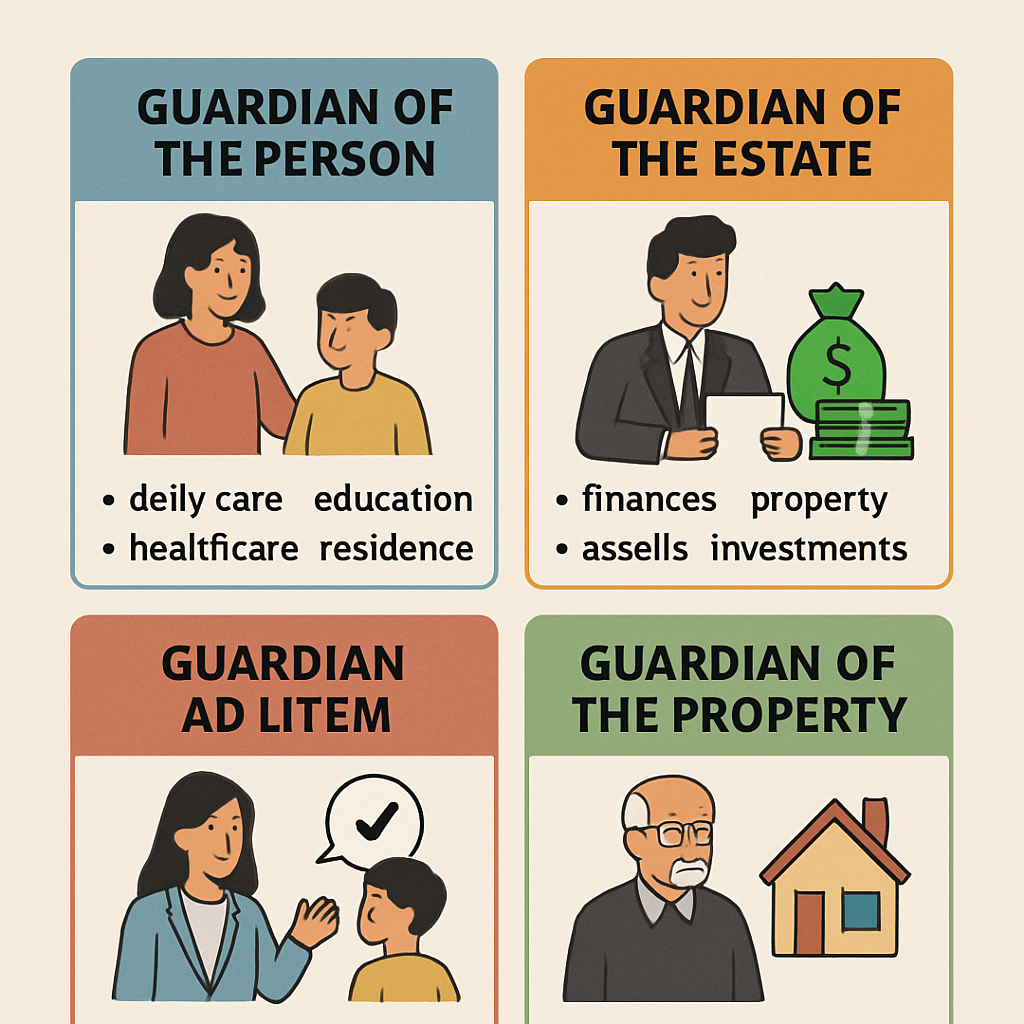
Colorado Guardianship Forms and Documentation
Proper documentation is essential for a successful guardianship petition. Common required forms include:
- Petition for Appointment of Guardian
- Notice of Hearing
- Physician or professional evaluations
- Proposed guardian background information
- Acceptance of appointment forms
Accurate completion of these documents is critical. Errors or missing information can delay the process or result in denial.
Responsibilities and Duties of a Guardian
Being a guardian carries significant legal and ethical responsibilities. A guardian must always act in the best interest of the ward and follow all court orders.
Key duties include:
- Making healthcare and medical decisions
- Ensuring safe housing and living arrangements
- Coordinating care services and support systems
- Managing educational needs (for minors or applicable adults)
- Maintaining financial records (if appointed as conservator)
- Submitting regular reports to the court
Guardians are also required to respect the dignity, preferences, and rights of the ward as much as possible. Even when decision-making authority is granted, the goal is support—not control.
Modifying or Terminating Guardianship
Guardianship is not always permanent. Circumstances can change, requiring modification or termination of the arrangement.
A guardianship may be modified or ended if:
- The ward regains decision-making capacity
- The guardian is no longer able to serve
- The arrangement is no longer necessary or appropriate
- There is evidence of guardian misconduct or neglect
The process requires filing a petition with the court and attending a hearing. The judge will reassess the situation and determine whether changes are justified.
Alternatives to Guardianship in Colorado
Because guardianship removes certain legal rights, Colorado courts often consider less restrictive alternatives first.
Common alternatives include:
Power of Attorney
Allows an individual to appoint someone to make financial or medical decisions on their behalf while still maintaining legal rights.
Representative Payee
A person or organization is appointed to manage government benefits such as Social Security payments.
Supported Decision-Making
The individual retains decision-making authority but receives guidance and assistance from trusted advisors.
These alternatives can provide protection while preserving independence.
Frequently Asked Questions
How long does guardianship take?
The process may take several weeks to several months depending on court schedules and case complexity.
Do I need a lawyer?
A lawyer is not required, but legal assistance is strongly recommended due to the complexity of probate procedures.
Can guardianship be challenged?
Yes. Family members or interested parties may contest a guardianship petition in court.
Is guardianship permanent?
Not necessarily. It can be modified or terminated if circumstances change.
Are there costs involved?
Yes. Filing fees and potential attorney fees apply, although fee waivers may be available in certain cases.
Resources for Guardianship in Colorado
Families seeking guardianship support can access several helpful resources:
- Colorado Judicial Branch (forms and court information)
- Local probate courts
- Legal aid organizations
- Disability and elder care advocacy groups
These resources can help individuals better understand their rights and responsibilities throughout the process.
Conclusion
Guardianship in Colorado is a powerful legal tool designed to protect individuals who cannot make safe or informed decisions on their own. Whether temporary, adult, or minor guardianship, each arrangement serves a specific purpose under state law. However, because it affects fundamental rights, courts carefully evaluate each case to ensure it is truly necessary.
For families navigating this process, understanding the legal requirements, responsibilities, and alternatives is essential. With proper guidance and preparation, guardianship can provide stability, safety, and long-term support for those who need it most. Call us now!